
Yards Left Unattended Going Into Winter
Fall cleanup in Springfield for properties carrying accumulated debris, dead growth, and season-end disorder before ground freeze
Overgrown perennial beds, spent annuals still standing in planters, and debris lodged against fence lines are the visible signs that a property hasn't been prepared for winter—and Springfield's freeze-thaw cycles through December and January make that preparation matter more than it might in milder climates. Living Green Lawn Care, LLC performs fall cleanup in Springfield to address the full range of end-of-season tasks that leave a property in better condition for spring emergence. The difference between a property that was cleaned up in fall and one that wasn't shows up clearly in March: fewer weeds breaking through, cleaner bed lines, and turf that came out of dormancy without competing against matted debris.
Fall cleanup in Springfield typically involves cutting back perennial growth, clearing spent plant material from beds, removing accumulated leaves and twigs from turf areas, and edging or cleaning up border zones before growth stops for the season. The timing matters because perennials cut back too early can push new growth that gets damaged by frost, while cutting back too late—after multiple freeze cycles—means working through frozen ground and brittle stems that take more effort to clear cleanly. In Springfield's climate, the practical window for fall cleanup work generally runs from mid-October through mid-November, depending on temperatures and how far along dormancy has progressed.
Request a fall cleanup estimate based on your property's bed layout, plant types, and total area to get a clear picture of what the work involves before scheduling.
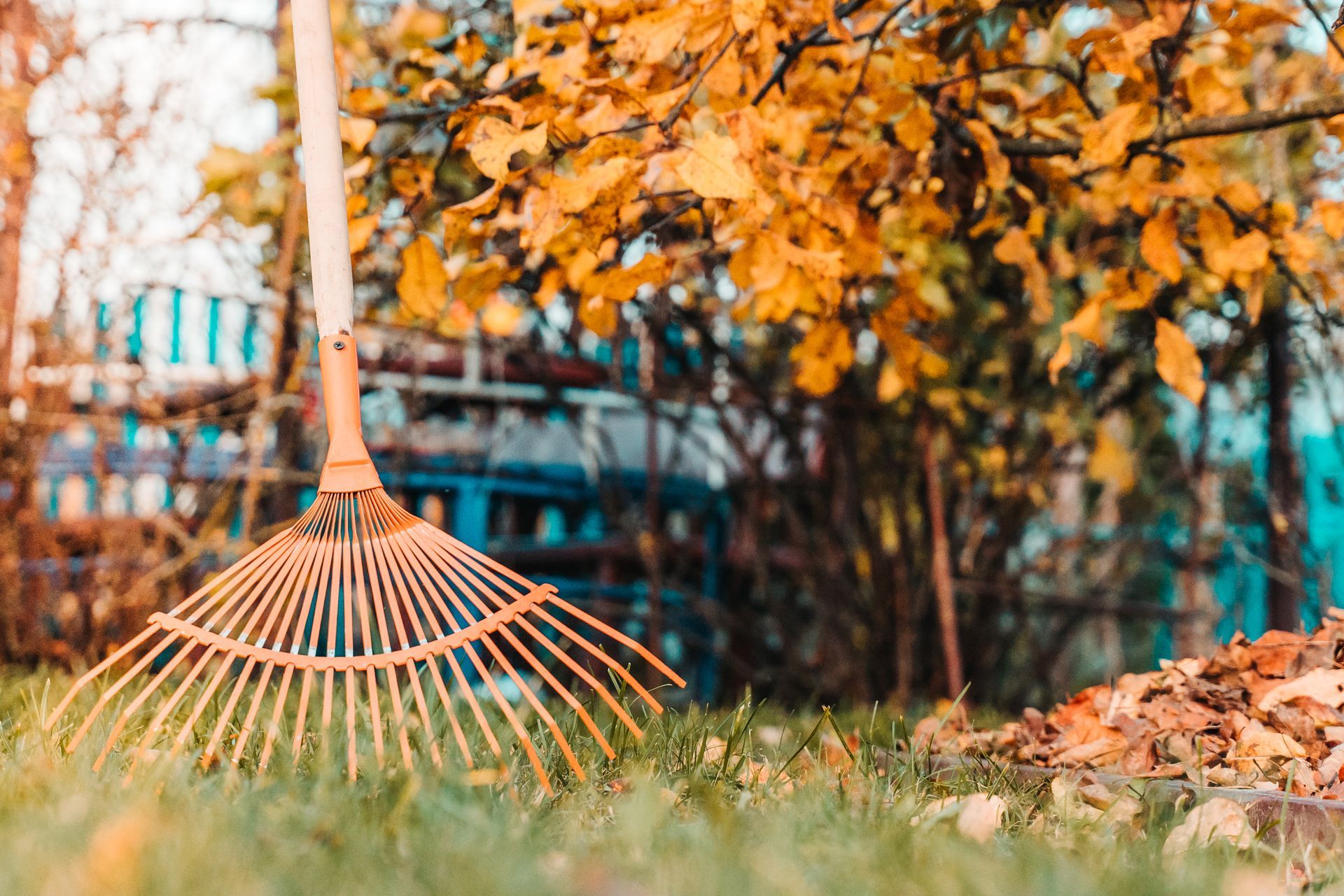
How Fall Cleanup Prepares a Property for Spring
The core work in fall cleanup involves cutting back herbaceous perennials and ornamental grasses to appropriate heights, removing dead annual plants from beds and containers, clearing leaf debris from turf and hardscape, and cleaning up edges that have become ragged through the growing season. One decision point that affects the approach is which perennials to cut back versus which to leave standing—certain species, including some coneflowers and grasses, provide winter interest and bird habitat when left up through the colder months, so cleanup plans should account for what the homeowner wants to preserve versus what gets cleared.
Once fall cleanup is complete, bed lines are visible and defined, turf areas are clear of debris, and plant material is cut to heights that won't trap ice and moisture against crowns during freeze events. Living Green Lawn Care, LLC hauls away removed material rather than leaving it piled on-site, so the property looks finished immediately after service—not mid-process. What you'll notice in the weeks following is that beds don't have decomposing organic matter sitting against plant crowns through the coldest part of the year.
Fall cleanup does not typically include mulch installation, though fresh mulch applied after cleanup can protect root zones through freeze-thaw cycles—that's a separate step worth considering depending on bed conditions. Properties with large ornamental grass stands or extensive perennial gardens require more time and staging than properties with primarily shrub-based landscaping, which affects both scheduling and service scope.
What Property Owners Usually Ask
These are the questions that come up most often when homeowners in Springfield are planning fall cleanup service and figuring out what the work actually includes.
What plant material gets removed versus left in place?
Dead annuals, spent vegetable plants, and badly damaged perennial growth are removed, while some perennials may be left standing based on species and the homeowner's preference for winter garden structure.
How is fall cleanup different from a standard mowing visit?
Fall cleanup is a comprehensive end-of-season service that includes cutting back beds, clearing debris, and preparing plant zones for dormancy—tasks that fall outside the scope of routine mowing and turf maintenance visits.
Why does timing affect how well perennials come back in spring?
Cutting back too early can stimulate new tender growth before the last frost, while leaving dead material too long allows it to mat down and hold moisture against crowns through freeze cycles—both conditions can stress plants going into the following growing season.
What factors affect the time needed to complete a fall cleanup?
Property size, the number and type of planting beds, tree coverage affecting leaf volume, and the condition of borders and edges all influence how long cleanup takes and how the work is staged across the visit.
Does fall cleanup in Springfield include gutter clearing?
Gutter clearing is generally outside the scope of standard fall cleanup service, which focuses on ground-level lawn and bed areas—if that's needed, it should be discussed separately when scheduling.
Living Green Lawn Care, LLC can walk through your property's specific conditions to outline exactly what fall cleanup will cover—connect with the team to schedule a site review and get a service plan built around what your yard actually needs heading into winter.
Contact Us
We will get back to you as soon as possible.
Please try again later.